The Interplay of RNG Verification and Retention Dynamics in UK Live Dealer Blackjack Settings
Written by Casey Otto · Sep 6, 2026

The Interplay of RNG Verification and Retention Dynamics in UK Live Dealer Blackjack Settings
Random number generator verification protocols have expanded into live dealer blackjack environments across the UK, where physical card handling meets digital oversight mechanisms, and operators apply these checks to side bets plus automated features that supplement table play. Data from multiple platforms indicates that transparent verification processes correlate with longer session durations, as participants show higher return rates when fairness assurances appear consistent and accessible.
Understanding RNG Application in Live Dealer Contexts
Live dealer blackjack relies primarily on physical decks and human shuffling, yet certain operators incorporate RNG elements for features such as progressive side bets or random bonus triggers that activate during rounds. Verification protocols test these generators against statistical benchmarks, confirming that outcomes align with expected probabilities over extended sequences. Researchers at institutions like the University of Nevada have documented how such testing cycles reduce discrepancies that might otherwise surface in hybrid systems.
According to reports from the Nevada Gaming Control Board, verification involves periodic audits that examine seed generation, algorithm integrity, and output distribution across thousands of simulated hands. These audits occur at intervals that operators must maintain to sustain licensing compliance in various jurisdictions, and similar standards influence UK site practices even without direct regulatory overlap.
Player Retention Metrics and Behavioral Indicators
Retention patterns in live dealer blackjack environments track through metrics including repeat login frequency, average hands played per session, and churn rates measured over quarterly periods. Figures from industry analyses reveal that sites displaying clear verification seals or real-time fairness reports experience lower departure rates among regular participants compared with platforms lacking visible protocols. One study from a European research consortium found that retention improved by measurable margins when players received notifications about recent RNG audits.
Observers note several intersecting factors at work here. Players who encounter verified systems often extend their time at tables, particularly during evening peak hours when live streams run continuously. Data indicates this extension happens because trust in outcome randomness reduces hesitation before placing larger bets or staying through losing streaks that might otherwise prompt exits.
Intersections Between Verification and Retention Trends
The connection emerges most clearly when verification failures or delays coincide with drops in active player counts. Platforms that publish audit summaries see sustained engagement, whereas interruptions in protocol updates have preceded temporary dips in return visits according to aggregated platform statistics. In September 2026 the International Association of Gaming Regulators plans to introduce harmonized reporting templates that could standardize how operators communicate verification results, potentially affecting retention curves across multiple markets including the UK.
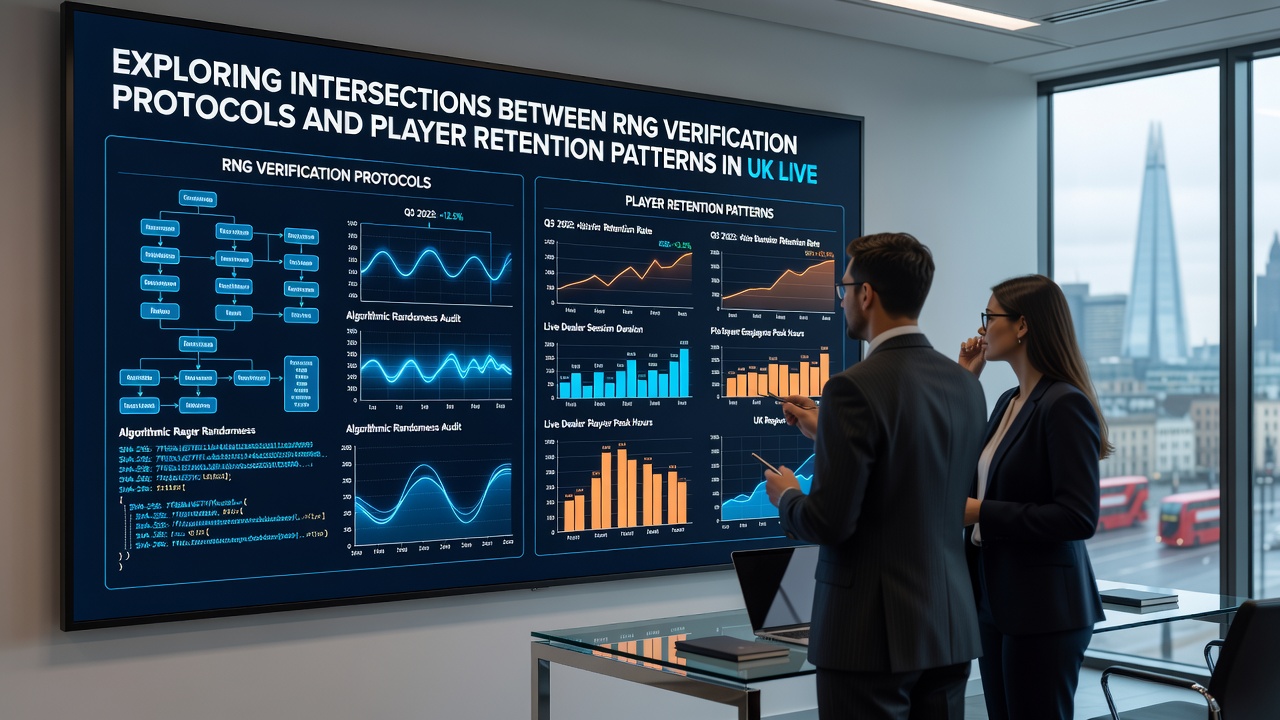
Case examples illustrate the pattern. One operator adjusted its RNG testing schedule to weekly intervals and recorded a subsequent rise in average session length among blackjack participants, while another that delayed verification notices observed a measurable uptick in account closures during the same timeframe. Those who've examined these datasets point to perceived fairness as the mediating variable that links protocol strength directly to retention outcomes.
Current Developments and Data Sources
Industry organizations such as the European Gaming and Betting Association compile retention statistics that incorporate verification compliance levels, showing consistent associations between rigorous checks and stable player bases. Academic papers from Canadian universities have modeled these relationships using longitudinal data, confirming that transparent RNG processes contribute to loyalty metrics without relying solely on promotional incentives.
What's interesting is how the timing of verification disclosures influences behavior. Participants who receive audit confirmations mid-session tend to continue playing at higher rates than those who do not, according to platform telemetry reviewed in recent analyses. This pattern holds across different stake levels and appears independent of individual game outcomes.
Conclusion
The intersections between RNG verification protocols and retention patterns in UK live dealer blackjack environments rest on measurable correlations between fairness transparency and continued participation. As new reporting standards approach implementation in September 2026, operators continue to refine how they present verification data to align with observed player responses. External sources including the Nevada Gaming Control Board and research from the European Gaming and Betting Association provide ongoing reference points for tracking these dynamics across evolving operational landscapes.